 Get my free quote
How-to guides
How to trim and care for hedges in the Sutherland Shire
Our step-by-step hedge care guides cover the six hedge plants found in most Sutherland Shire gardens, including Lilly Pilly, Murraya, Buxus, Photinia ‘Red Robin’, Sweet Viburnum and Camellia. Learn how to trim hedges properly, when to prune each plant, how to fix brown or patchy hedges and when a hard prune is safe. It’s the same advice our local gardeners give clients at the gate, written down so you can do it yourself.
No sign-ups, no email capture. Just grab the shears and go.
Hedge care guides for every plant in your street
Browse all hedge guides →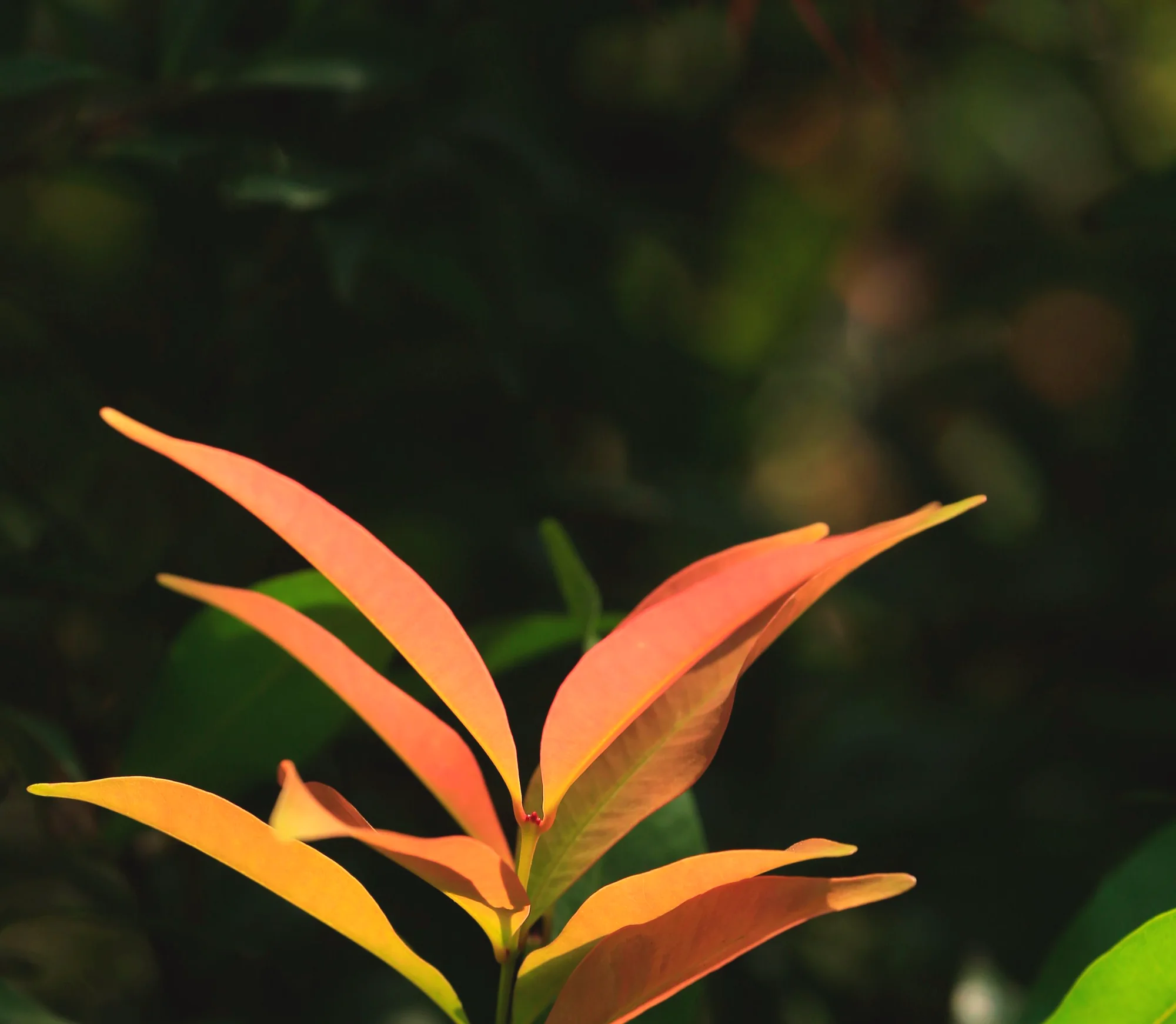
Lilly Pilly
Syzygium and Acmena species
Bumpy, pimpled new leaves that never grow out flat again.
Read the lilly pilly guide →
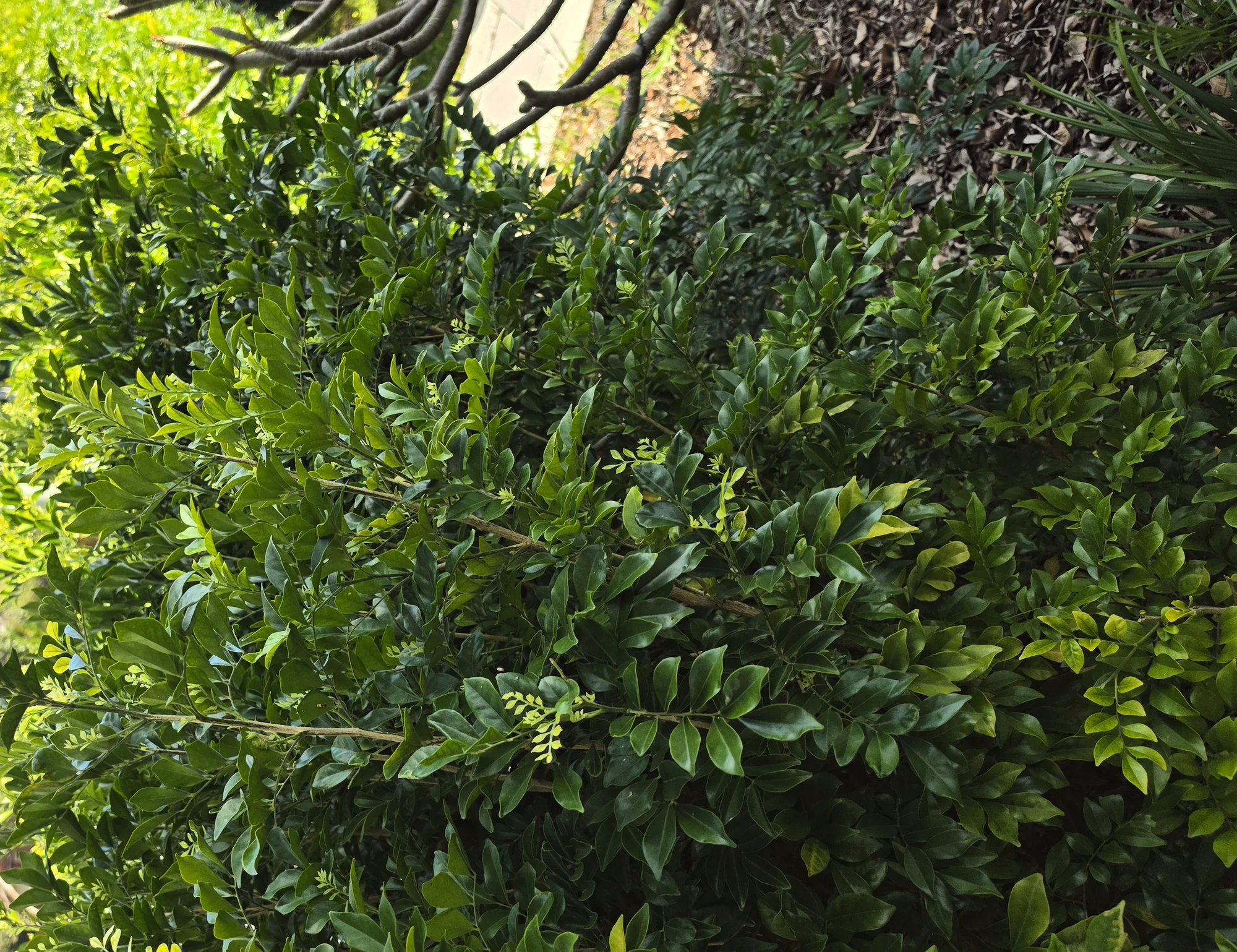
Murraya
Murraya paniculata, also called orange jessamine or mock orange
Yellowing leaves, or a hedge that has stopped flowering entirely.
Read the murraya guide →
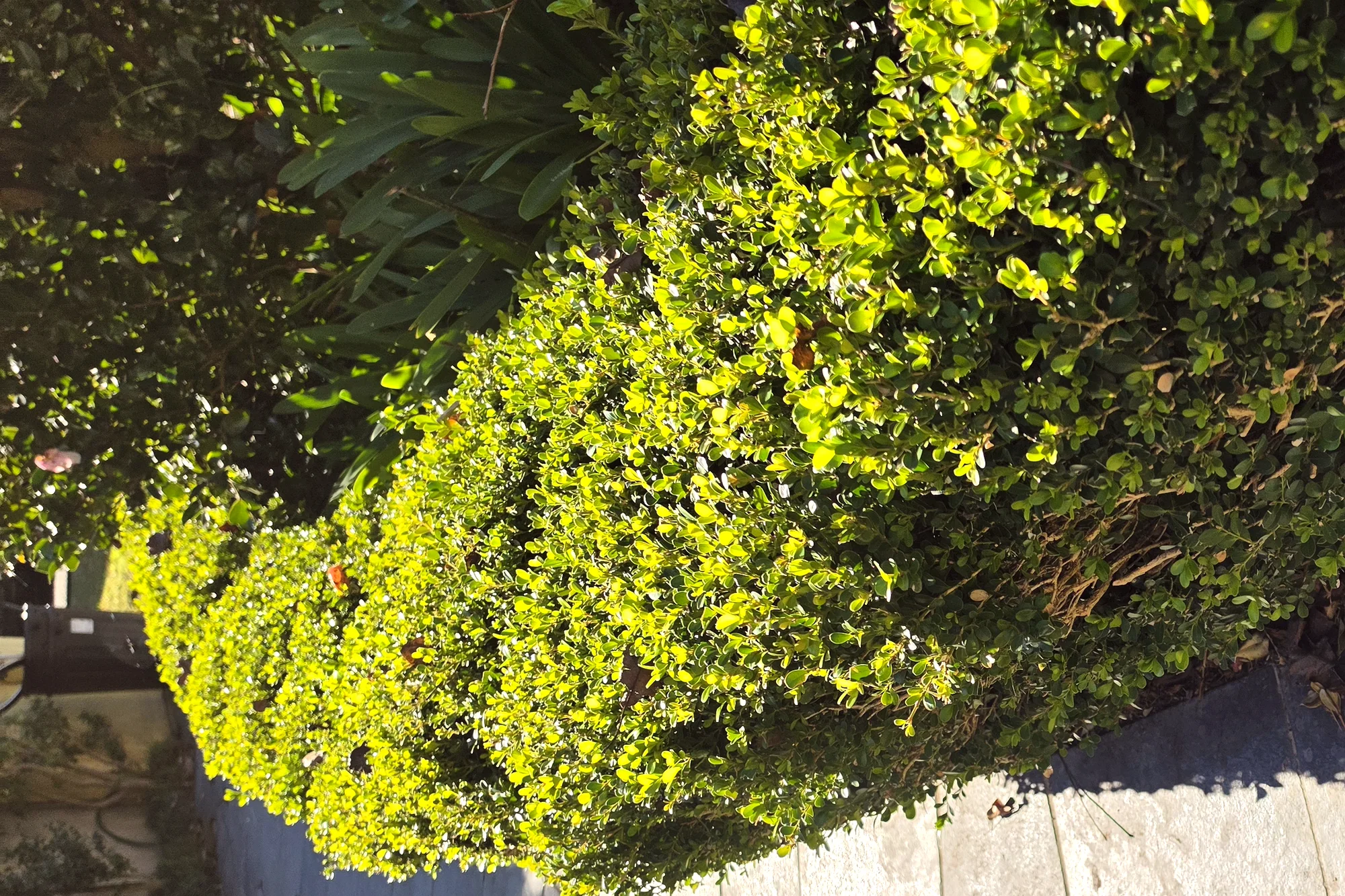
Buxus (box)
Buxus microphylla var. japonica and Buxus sempervirens
That orange-bronze colour it goes over winter, which panics everyone.
Read the buxus guide →
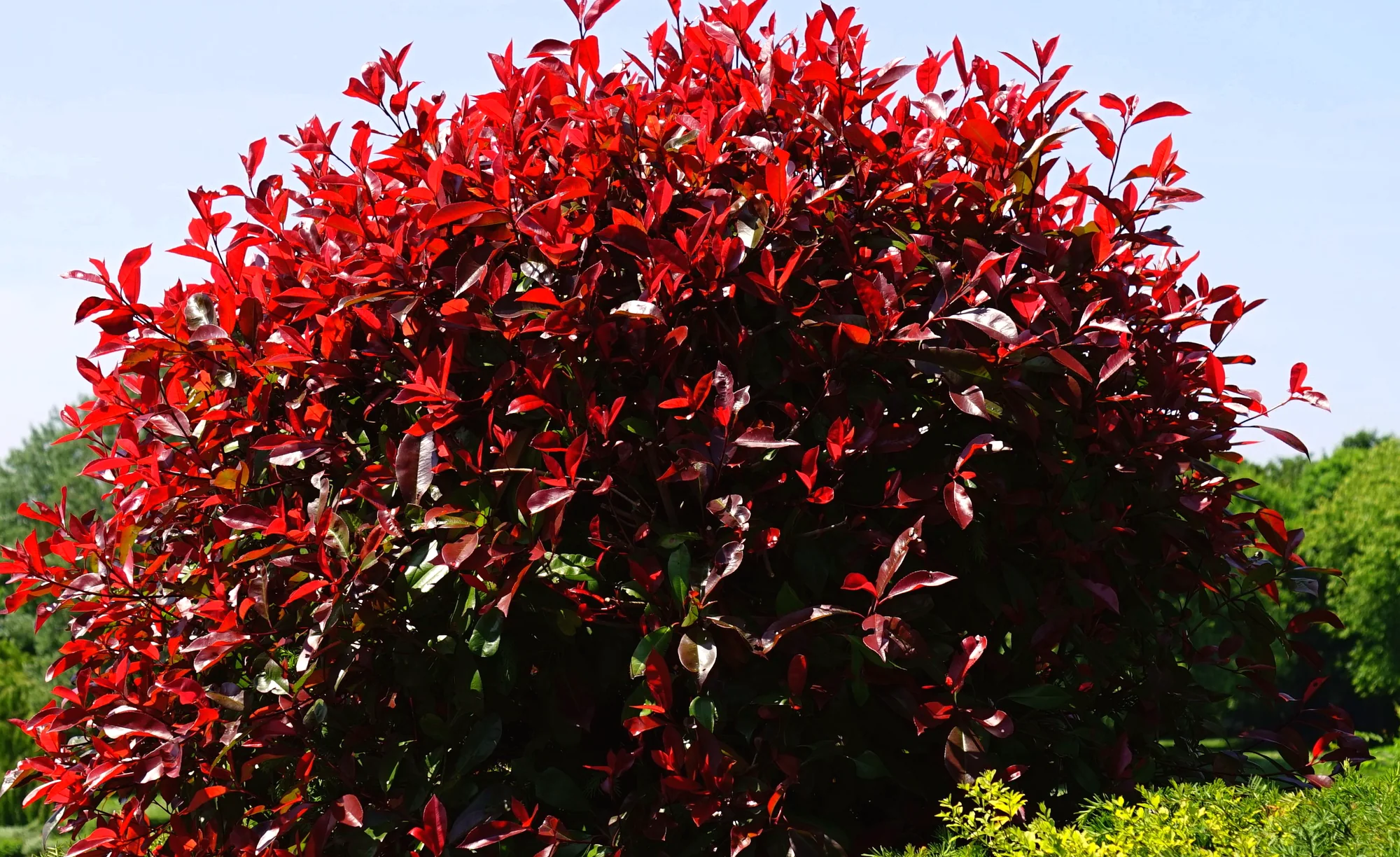
Photinia ‘Red Robin’
Photinia × fraseri ‘Red Robin’
Losing the red, or covered in purple-red spots that keep spreading.
Read the photinia guide →
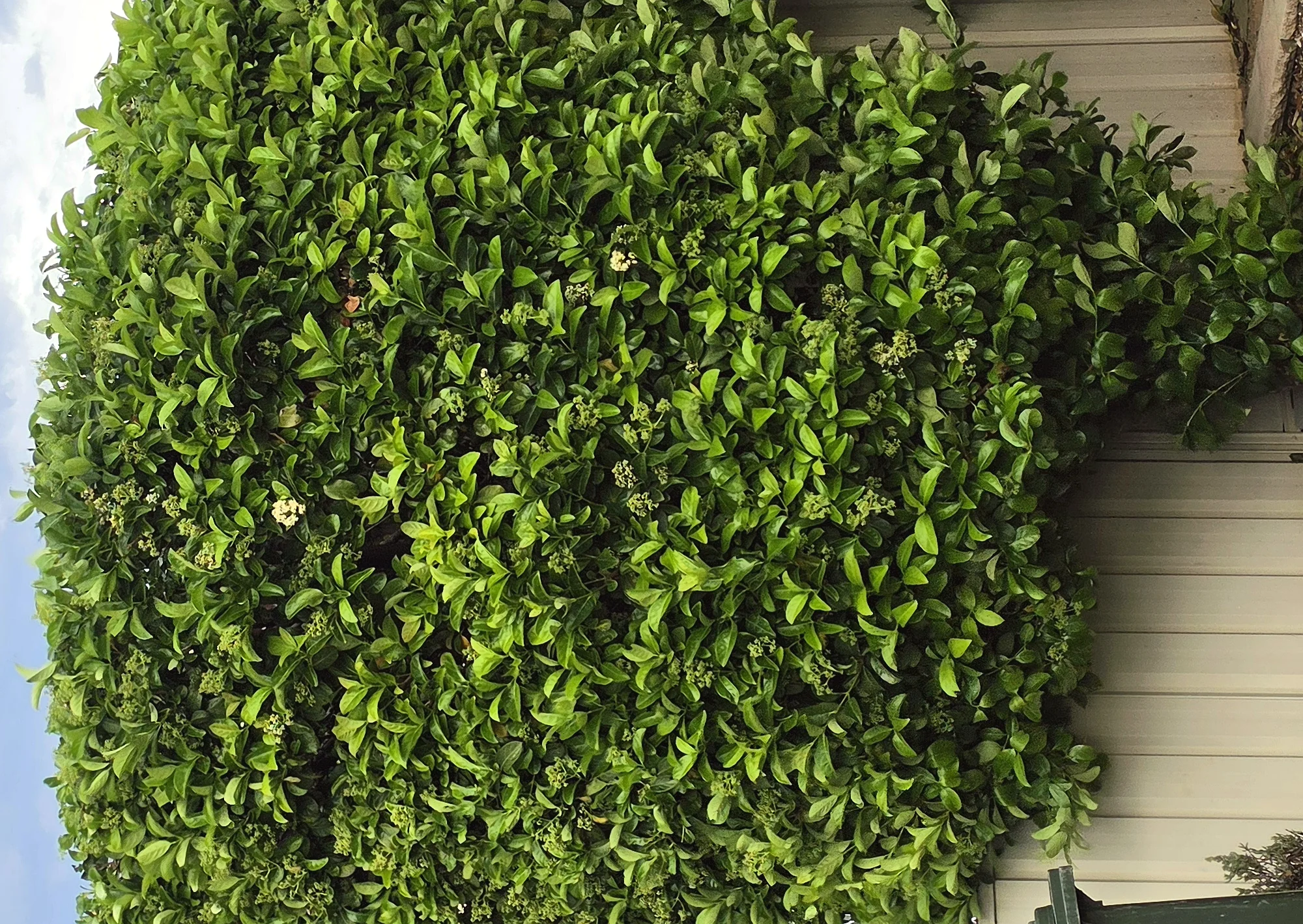
Sweet Viburnum
Viburnum odoratissimum
The fastest screen you can plant, and the one that hates salt wind.
Read the sweet viburnum guide →
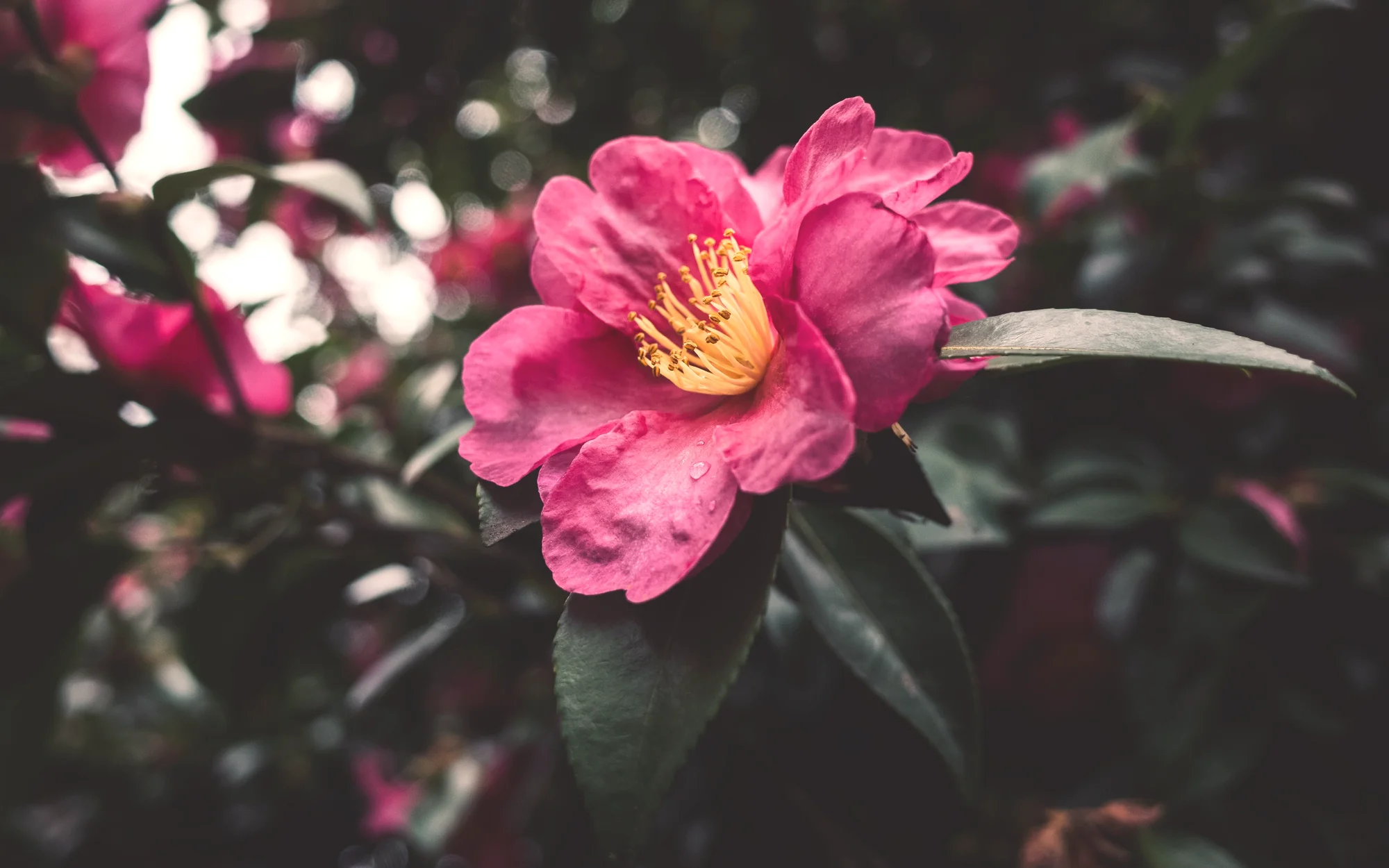
Camellia
Camellia sasanqua and Camellia japonica
No flowers this year? It is nearly always a timing mistake, not a sick plant.
Read the camellia guide →
The one rule that applies to all of them
A hedge should be slightly wider at the base than at the top.
This is the single most common reason a hedge goes bare at the bottom, and it has nothing to do with the species, the soil or the fertiliser. If the sides are cut straight up, or worse, leaning in, the top of the hedge shades its own base. The lower foliage gets no light, gives up and drops off.
Cut with a slight taper and light reaches the whole face. The hedge stays green right to the ground. It is a small change in how the cut is made, and it is the difference between a hedge that lasts and one that slowly hollows out from the bottom up.
The taper is often called a batter. On a fast grower like lilly pilly or viburnum, a bare base can be recovered with a hard reduction. On a slow grower like box, correcting it takes years, which is why the shape matters most on the plants that are least forgiving.
Straight sides
Top shades the bottom. Base goes bare and stays bare.
Tapered (batter)
Light reaches the whole face. Green right down to the ground.
The other rule
A trim and a reduction are two different jobs.
Every guide here separates the two, because it moves the price more than anything else. A trim takes a hedge back to a shape it already has. A reduction resets a hedge that has got away, usually cutting into bare wood, and usually looking confronting for a few weeks before it thickens up.
Whether your plant survives that second job depends entirely on the species. Lilly pilly, murraya and viburnum reshoot from old wood happily. Box does too, but so slowly that a hard cut leaves you bare for a year or more. Each guide says which.
See how we cut a hedge, and what it costsSend us a photo of your plant.
You don’t need to know what it is. Text a picture through and we’ll tell you what you’ve got, what it needs and when it’s due, whether or not you book anything.